
From materials to fairness
From materials to fairness:
The complete guide to sustainable shoes

exclusively for nimms.ch
19/01/2026
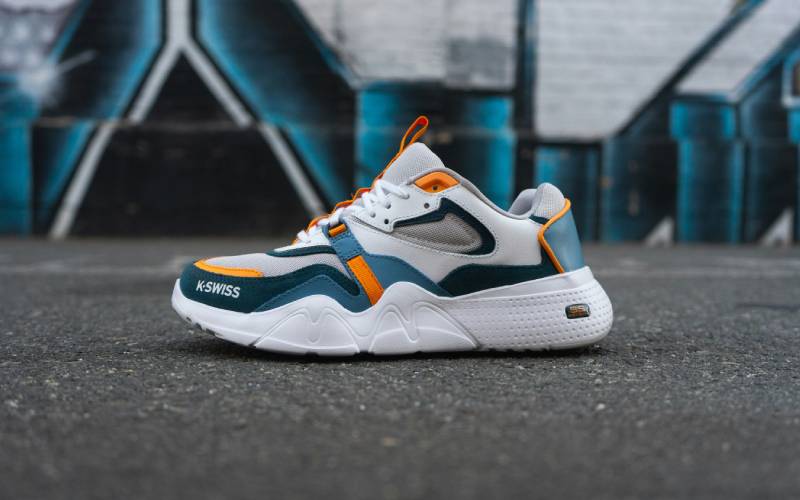
The fashion industry is one of the world's biggest environmental polluters, and shoes play a significant role in this. Conventional sneakers, boots and sandals are often made from petroleum-based plastics, produced under questionable working conditions and thrown away after only a short period of use.
But there is another way. More and more manufacturers are turning to sustainable alternatives that protect both the environment and people. This guide shows what really matters when buying shoes.

The material question: What are sustainable shoes made of?
Materials are the starting point of every sustainable shoe production process. Conventional leather uses enormous amounts of water and places a significant burden on the environment due to chrome tanning. There are now many alternatives: recycled polyester made from old PET bottles, organic cotton, natural rubber, or innovative materials such as Piñatex made from pineapple leaves and apple leather made from fruit waste.
Vegetable-tanned leather is also a significantly more environmentally friendly option than conventionally processed leather. For soles, sustainable brands use natural rubber or recycled rubber compounds instead of petroleum-based plastic. Even cork and hemp are increasingly being used. What matters is not only the upper material, but the entire shoe, from the lining to the tip of the shoelace.
Fair production: The people behind the shoe
Sustainability does not end with the material. Anyone who truly wants to consume responsibly also needs to consider production conditions. Fair wages, safe workplaces and a ban on child labour should be standard, but unfortunately they are not across the global footwear industry. Certifications such as Fair Trade, SA8000 or membership in the Fair Wear Foundation can provide guidance.
Many sustainable brands deliberately produce in Europe, where labour standards are more strictly monitored. Whether elegant business shoes, robust hiking boots or dance sneakers for women designed for flexible movement and hours of wear: there are now fairly produced options in every category. Transparency plays a central role. Reputable providers disclose their supply chains and allow consumers to trace the product's journey.
Longevity beats trends
The most sustainable shoe is the one that is worn for as long as possible. Fast fashion has not spared footwear either: cheap models are worn for one season and then discarded. Sustainable alternatives, by contrast, focus on timeless design and high-quality craftsmanship. A well-made shoe can last for years or even decades with proper care. Repairability is an important criterion.
Can the soles be replaced? Are spare parts available? Some manufacturers even offer their own repair services. Proper care also significantly extends the lifespan. Regular waterproofing, wooden shoe trees and alternating between different pairs protect the material and help shoes retain their shape for longer.
Labels and certifications: Finding your way through the maze
The large number of sustainability labels can be confusing. Among the most meaningful are the Blue Angel, the GOTS label for textiles and OEKO-TEX certification. The latter at least guarantees that the materials used are free from harmful substances.
For vegan shoes, there are special labels such as the V-Label or the PETA-Approved Vegan certification. B Corp-certified companies meet strict social and environmental standards across the entire value chain. As a general rule, a single label does not automatically make a shoe sustainable, but several certifications combined with transparent corporate communication are good indicators.
The price of sustainability
Sustainable shoes usually cost more than conventional mass-market products. The higher price reflects fairer wages, better materials and more elaborate production methods. However, when you consider that a high-quality shoe can outlast many cheap products, the difference quickly becomes less significant. There are also different price ranges within the sustainable segment. Beginners can find affordable models from brands such as Veja or Ethletic, while premium manufacturers such as Stella McCartney or Veja x Marni serve the upper price segment.
Finding sustainable footwear is easier today than ever before. With the right knowledge about materials, production conditions and quality features, your next shoe purchase can become a conscious decision for people and the environment.
Thanks for reading.
exclusively for nimms.ch
19/01/2026
Would you like to contribute something? Get in touch with us.
Learn more about us on our About Us page.