
Green Living Made Easy
Green Living Made Easy
– Sustainability Starts in Everyday Life

exclusively for nimms.ch
28/10/2025
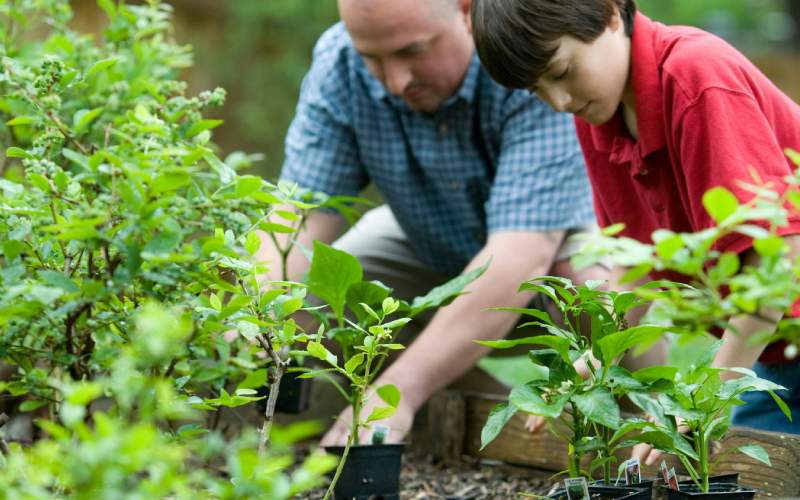
Sustainability is no longer just a trend, but a necessity. Yet many people feel overwhelmed by the abundance of information and advice. The good news is that an environmentally conscious lifestyle does not have to be complicated. Small, consistent steps in everyday life can already make a significant difference.
The path to a greener lifestyle begins right at your own doorstep – with the decisions we make every day. It is not about perfection, but about conscious improvements that add up over the long term and benefit both the environment and our own well-being.

Conscious Consumption Instead of Excess
The first step toward greater sustainability lies in more thoughtful consumption habits. Instead of shopping impulsively, it is worth pausing before every purchase and asking: Do I really need this? Quality should take precedence over quantity. A high-quality product that lasts for years makes more ecological sense than several cheap alternatives that quickly need to be replaced.
This is especially true for clothing. Fast fashion places an enormous burden on the environment through water consumption, chemicals, and transportation. Choosing timeless, durable pieces not only reduces your ecological footprint but also helps you develop a more individual style. Sometimes a tailored suit that fits perfectly and can be worn for decades is the more sustainable choice than ten cheap shirts from mass production.
Conscious choices also make a difference when shopping for food. Regional and seasonal products involve shorter transport routes and support local producers. Weekly markets often offer unpackaged goods and allow direct contact with producers. Reducing meat and animal products also helps lower greenhouse gas emissions.
Small Changes with a Big Impact
Sustainability also means replacing existing habits with more environmentally friendly alternatives. Not every change has to be radical – often it is gradual improvements that have the greatest long-term effect and are easier to integrate into everyday life.
A good example is smokers who switch to alternatives such as an Elfbar vape: this allows them to avoid cigarette butts, which are among the most common forms of environmental pollution and remain in nature for years. Such transitional solutions can be a first step toward a healthier and more environmentally conscious lifestyle, even though the long-term goal is, of course, to stop completely.
There is also plenty that can be changed in the bathroom: solid shampoos and soaps reduce plastic packaging, reusable cotton pads replace disposable products, and bamboo toothbrushes are biodegradable. Reusable bottles instead of PET bottles, cloth bags instead of plastic bags – these small changes add up over the course of a year to significant amounts of avoided waste.
Saving Energy at Home
Household energy consumption offers enormous potential for greater sustainability. Even simple measures can significantly reduce CO₂ emissions: airing rooms briefly with the windows fully open instead of leaving them tilted open continuously, using LED lamps instead of incandescent bulbs, and completely switching off electronic devices instead of leaving them in standby mode.
When it comes to heating, the rule of thumb is that every degree lower saves around six percent in energy. A room temperature of 20 degrees in living areas is generally sufficient. Making use of residual heat when cooking or washing at lower temperatures also helps save energy.
Those who have the option can consider switching to a green electricity provider. Modern household appliances with a good energy-efficiency rating often pay for themselves quickly through lower electricity costs while also reducing environmental impact.
Rethinking Mobility
The transport sector is one of the largest sources of greenhouse gas emissions. Whenever possible, short distances should be covered on foot or by bicycle. This not only protects the environment but also promotes good health. For longer distances, public transport or carpooling offer more environmentally friendly alternatives to using your own car.
Conclusion: Every Step Counts
Sustainability in everyday life does not require radical changes overnight. Rather, it is about making more conscious decisions step by step. Every piece of plastic packaging avoided, every kilometre not driven by car, and every regionally purchased product contributes to protecting the environment. Together, these individual efforts can have a major impact – helping to create a future worth living on our planet.
Thanks for reading.
exclusively for nimms.ch
28/10/2025
Would you like to contribute something? Get in touch with us.
Learn more about us on our About Us page.